
Ear Infections in Children: Common Side Effects and Best Prevention Tips | Dr. Priyanka Jain Explains
Ear infections are among the most common childhood health problems, especially during seasonal changes. Many parents often feel worried when their child keeps touching their ear, becomes irritable, or complains of pain. According to ear infection specialist Dr. Priyanka Jain, early detection and timely treatment can prevent complications and ensure quick recovery.
In children, the ear’s internal structure is still developing, which makes them more prone to infections. Cold, flu, allergies, and even feeding positions can increase the risk. Understanding the causes, symptoms, and prevention tips can help parents manage ear infections more effectively.
Why Ear Infections Are Common in Children
One of the biggest reasons children experience frequent ear infections is the presence of fluid that gets trapped behind the eardrum. This happens because kids have a shorter and more horizontal Eustachian tube. When it gets blocked, fluid cannot drain properly, leading to infection and pain.
According to an ear infection specialist in Indore, Dr. Priyanka Jain, several factors contribute to frequent ear infections in young children:
-
Weak immunity
-
Cold and seasonal flu
-
Bottle-feeding while lying down
-
Environmental allergies
-
Exposure to smoke or pollution
-
Adenoid enlargement
Does Fluid in the Ear Increase During Winter?
Yes. Fluid buildup in the middle ear usually increases during winter because children experience more colds, coughs, and throat infections during this season. When a child has a blocked nose or cold, the Eustachian tube becomes congested, trapping more fluid.
Ear infection specialist Dr. Priyanka Jain explains that winter infections can be avoided with proper hygiene, nutrition, and timely vaccinations.
Common Side Effects of Ear Infections in Children
Ear infections can cause several uncomfortable symptoms. Some are mild, while others need immediate attention.
1. Ear Pain and Irritation
This is the most common symptom. Children may keep pulling their ears, become cranky, or cry frequently.
2. Fever
Parents often ask: Do ear infections in children cause fever?
Yes, fever is a common side effect because the body is fighting the infection.
3. Headache
Another common question is: Do ear infections in children also cause headaches?
Yes. Pressure buildup due to fluid and inflammation can lead to headaches.
4. Temporary Hearing Difficulty
Fluid trapped behind the eardrum may reduce hearing until the infection clears.
5. Poor Appetite & Sleep Disturbance
Pain often worsens at night, affecting sleep and feeding.
Can Long-Term Fluid Retention Cause Hearing Loss?
Parents often fear long-term complications.
According to ear infection specialist Dr. Priyanka Jain, if fluid remains behind the eardrum for too long without treatment, it may lead to temporary hearing issues. In rare cases, prolonged untreated fluid can affect speech development or cause long-term hearing problems. However, timely treatment ensures complete recovery.

What Causes Ear Infections in Children?
Ear infections are usually triggered by:
-
Viral or bacterial infections
-
Seasonal cold and flu
-
Allergic reactions
-
Eustachian tube dysfunction
-
Exposure to irritants like smoke
-
Upper respiratory infections
Children below 5 years are more vulnerable because their immunity is still developing. Ear infection specialist Dr. Priyanka Jain recommends regular checkups during the winter and monsoon seasons.

How Do Doctors Treat Ear Infections in Children?
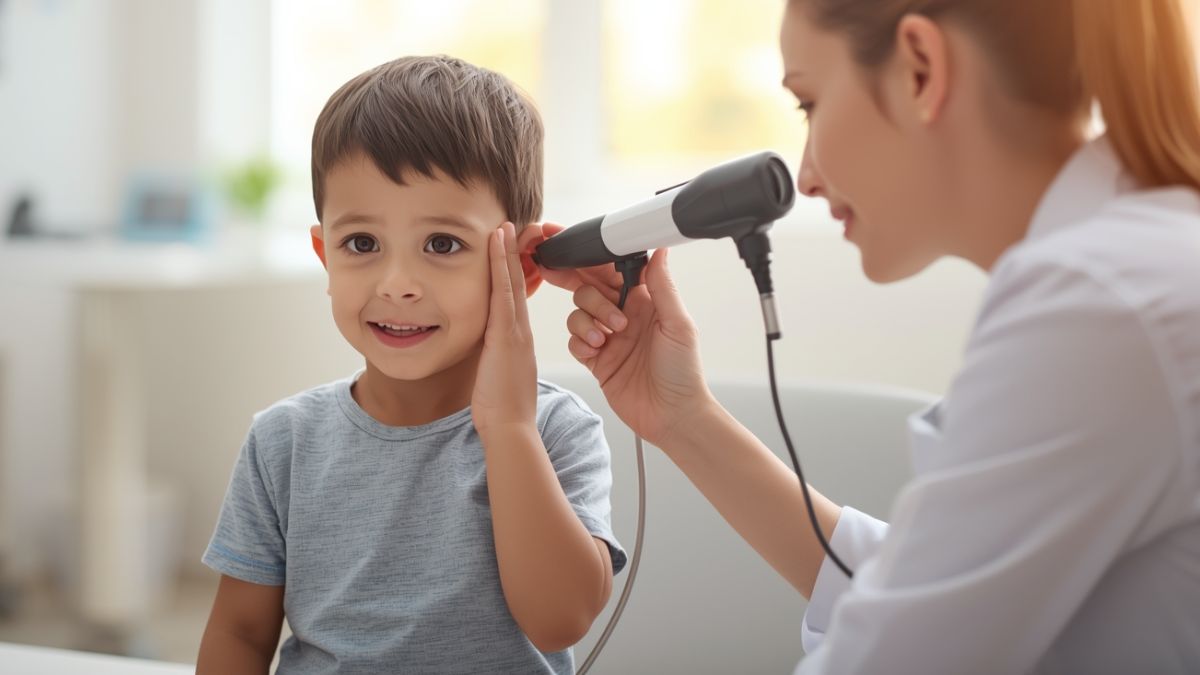
When you visit Bachpan Kids Care Clinic in Indore, Dr. Priyanka Jain performs a detailed ear examination using an otoscope to check for redness, swelling, or fluid.
Treatment usually includes:
-
Pain relievers for comfort
-
Antibiotics (if bacterial infection is confirmed)
-
Nasal drops to reduce congestion
-
Warm compress for pain relief
-
Monitoring fluid levels over a few weeks
If fluid remains for too long or infections keep recurring, the doctor may recommend a hearing test or ENT referral for further evaluation.
Are Home Remedies Effective for Ear Infections in Children?
Mild discomfort may be relieved temporarily with:
-
Warm cloth compress
-
Hydration
-
Steam inhalation (for nasal blockage)
However, ear infection specialist Dr. Priyanka Jain advises parents not to depend solely on home remedies. Correct diagnosis of ear infections in children is essential, and incorrect treatment can worsen the condition. Avoid putting oil, garlic drops, or any other homemade concoctions in the ear—these can be harmful.

Best Prevention Tips for Ear Infections in Children
Parents can easily reduce the risk of ear infections with simple preventive steps:
1. Maintain Hygiene
Regular handwashing reduces the risk of colds and viral infections.
2. Breastfeeding (if applicable)
Breastfeeding boosts immunity and lowers infection risk.
3. Keep the Child Upright While Feeding
Avoid bottle-feeding while the child is lying flat.
4. Avoid Exposure to Smoke
Cigarette smoke and pollution irritate the ear canal and respiratory system.
5. Manage Allergies
Seasonal allergies should not be ignored, as they can increase ear fluid.
6. Timely Vaccinations
Vaccines like pneumococcal and flu shots prevent major infections.
7. Regular Checkups
Seasonal checkups with ear infection specialist Dr. Priyanka Jain help catch infections early.
Conclusion
Ear infections are common but manageable with early care. Understanding symptoms, causes, and preventive measures helps parents take quick action. With proper treatment from an ear infection specialist in Indore, Dr. Priyanka Jain, most children recover completely and lead healthy, active lives.